Bernina 810 Manual Embroidery Machine: A Comprehensive Guide
This guide delves into the Bernina 810‚ a sophisticated machine detailed in manuals alongside the 807 and 817 models.
It explores its features‚ referencing Agenzia delle Entrate’s digital advancements and Vivaldo’s training expertise.
The machine’s capabilities are examined‚ mirroring the evolution of online services and electronic invoicing practices.
The Bernina 810 embroidery machine represents a pinnacle of sewing and embroidery technology‚ documented extensively in dedicated manuals‚ often referenced alongside its counterparts‚ the 807 and 817. This machine isn’t merely a tool; it’s a gateway to intricate textile artistry‚ offering a blend of precision‚ versatility‚ and user-friendly operation.
Its introduction marked a significant step forward for both hobbyists and professional embroiderers. Like the advancements seen in digital services – mirroring the Agenzia delle Entrate’s evolution – the 810 integrates sophisticated features for seamless design transfer and execution; The machine’s capabilities are enhanced by a robust software ecosystem‚ allowing for complex digitizing and customization.
Furthermore‚ the 810 benefits from a strong support network‚ including online communities and official Bernina documentation‚ much like the resources available for navigating complex fiscal systems.
Historical Context of the Bernina 810
The Bernina 810 didn’t emerge in isolation; it’s a product of Bernina’s long-standing commitment to innovation in sewing technology‚ building upon decades of expertise. Its development coincided with a period of rapid advancement in digital design and manufacturing‚ mirroring the evolution of platforms like Civis by Agenzia delle Entrate‚ designed for efficient information delivery.
The machine’s introduction reflected a growing demand for sophisticated home embroidery solutions. Prior models‚ like the 807‚ laid the groundwork‚ but the 810 represented a leap forward in automation and user control. This era also saw increased emphasis on electronic documentation and support‚ akin to the electronic invoicing and archiving practices championed by fiscal authorities.
The 810’s history is intertwined with the rise of accessible digitizing software and the increasing popularity of personalized textile art‚ paralleling the broader trend of digital empowerment.
Key Features and Specifications
The Bernina 810 boasts a substantial embroidery area‚ facilitating larger and more complex designs. It features an intuitive touchscreen interface for streamlined operation‚ reminiscent of the user-friendly interfaces developed by Agenzia delle Entrate for online services. The machine’s high-speed capabilities significantly reduce embroidery time‚ enhancing productivity.
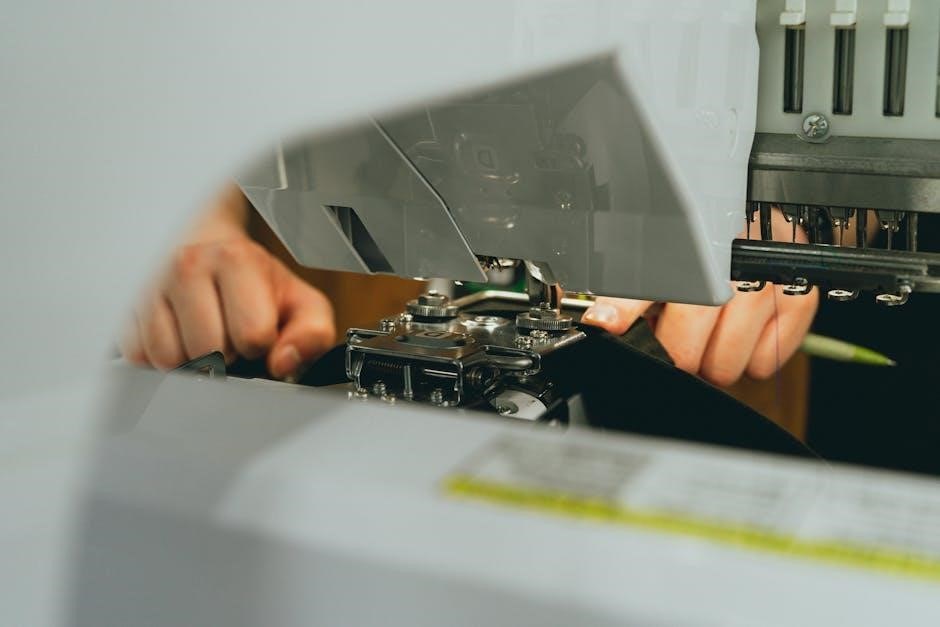
Key specifications include a color LCD display‚ a generous memory capacity for storing numerous designs‚ and compatibility with various embroidery file formats. Its robust construction ensures durability‚ while precise stitch control guarantees exceptional embroidery quality. The 810 also incorporates advanced threading mechanisms‚ simplifying setup and minimizing errors.
Furthermore‚ the machine’s connectivity options allow for seamless design transfer and software updates‚ mirroring the digital advancements in fiscal administration.
Embroidery Capabilities of the 810
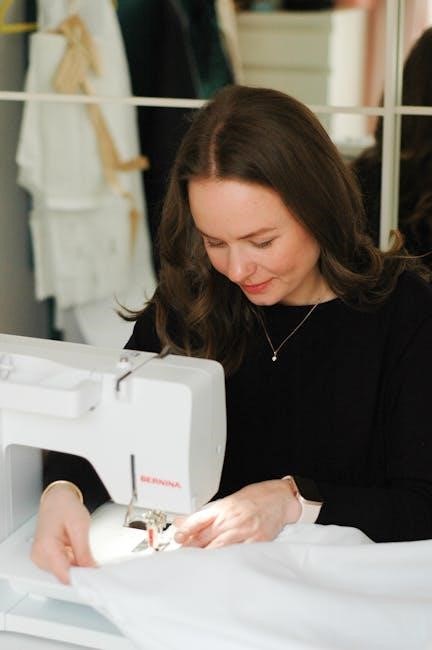
The Bernina 810 excels in a wide range of embroidery applications‚ from intricate monograms to elaborate decorative designs. Its precision engineering ensures consistently high-quality results on various fabric types‚ mirroring the accuracy demanded by Agenzia delle Entrate’s data management. The machine’s capabilities extend to free-motion embroidery‚ allowing for artistic expression and customization.
It supports a diverse array of embroidery stitches‚ including satin stitch‚ blanket stitch‚ and decorative motifs. The 810’s advanced sensors automatically detect fabric thickness‚ adjusting stitch parameters for optimal performance. Its large embroidery area accommodates sizable designs‚ reducing the need for repositioning.
The machine’s compatibility with Bernina’s embroidery software further expands its creative potential‚ akin to Civis platform’s comprehensive support.
Stitch Selection and Customization
The Bernina 810 offers an extensive library of pre-programmed stitches‚ catering to diverse embroidery needs‚ much like the varied services of Agenzia delle Entrate. Users can easily navigate through stitch categories‚ including decorative‚ utility‚ and specialty embroidery stitches. Beyond the pre-sets‚ the 810 empowers users with unparalleled customization options.
Stitch width‚ length‚ and density can be precisely adjusted to achieve desired effects. The machine allows for the creation of custom stitch combinations‚ enabling unique design possibilities. Mirroring the adaptability of the precompilata platform‚ stitch patterns can be modified and saved for future use.
The intuitive interface simplifies the customization process‚ ensuring both beginners and experienced embroiderers can unlock the machine’s full potential.
Setting Up the Bernina 810 for Embroidery
Preparing the Bernina 810 for embroidery requires a systematic approach‚ akin to the structured processes within Agenzia delle Entrate’s digital systems. Begin by ensuring the machine is placed on a stable‚ level surface. Attach the embroidery unit securely‚ verifying it clicks into place. Next‚ install the appropriate embroidery hoop‚ selecting a size suitable for your design – referencing compatible hoops is crucial.
Proper fabric stabilization is paramount. Use a stabilizer appropriate for your fabric type to prevent puckering and distortion‚ mirroring the need for accurate data in electronic invoicing. Ensure the stabilizer is tautly hooped with the fabric.
Finally‚ connect the machine to a power source and turn it on‚ readying it for threading and design transfer.
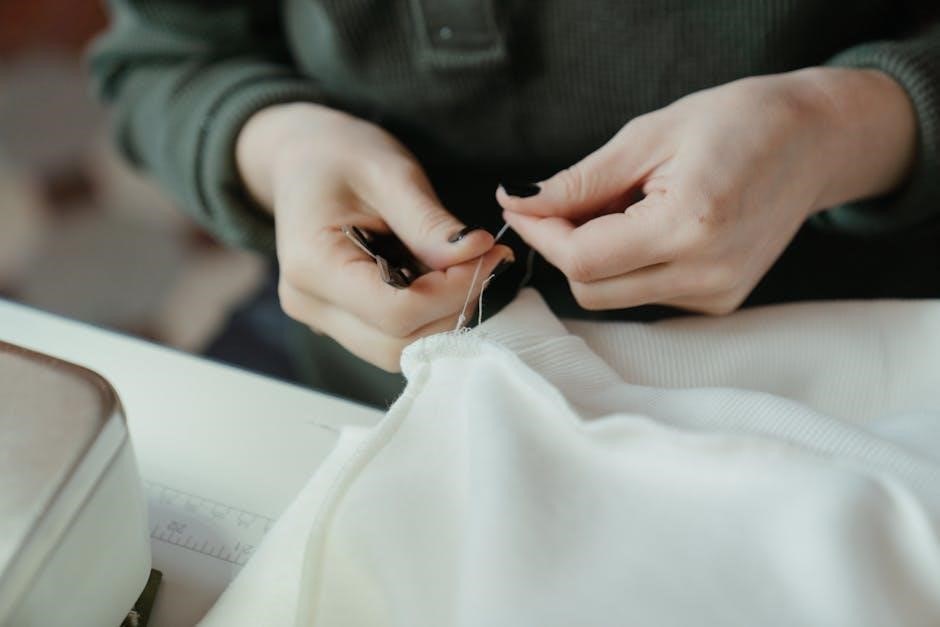
Threading the Machine for Embroidery
Threading the Bernina 810 for embroidery demands precision‚ much like the meticulous processes employed by Agenzia delle Entrate for tax collection. Begin by raising the presser foot and threading the main thread following the numbered guides‚ ensuring it engages the tension discs correctly.
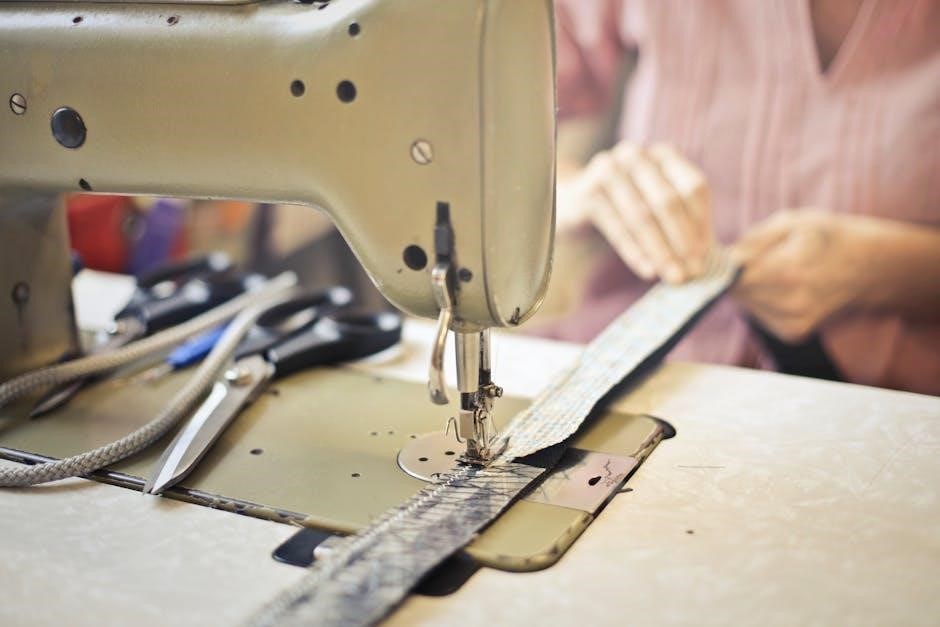
Next‚ thread the bobbin thread‚ winding it evenly onto the bobbin. Insert the bobbin into the bobbin case‚ ensuring it rotates freely. The upper thread must then be guided through the embroidery unit’s thread guide and needle.
A final check is vital: confirm the thread is properly seated in the needle and that both threads flow smoothly. Proper threading minimizes tension issues and ensures optimal stitch quality.
Hoop Selection and Fabric Stabilization
Selecting the correct hoop for your Bernina 810 embroidery project is crucial‚ mirroring the precision required by Agenzia delle Entrate’s digital platforms like Civis. The hoop size must correspond to your design’s dimensions. Smaller hoops are ideal for intricate details‚ while larger hoops suit broader designs.
Fabric stabilization is equally important. Lightweight or stretchy fabrics require a stabilizer to prevent puckering and distortion‚ similar to how electronic invoicing maintains fiscal accuracy. Options include tear-away‚ cut-away‚ or wash-away stabilizers.
Hooping the fabric tightly‚ but not excessively‚ is key. Ensure the fabric is smooth and evenly stretched within the hoop. Proper hooping and stabilization guarantee a professional-looking embroidery finish.
Using the Bernina 810 Embroidery Software
The Bernina 810’s embroidery software is a powerful tool‚ akin to Agenzia delle Entrate’s platforms for managing complex data. It allows for design editing‚ creation‚ and customization‚ mirroring the adaptability of modern digital services.
Users can import existing designs or digitize their own artwork. The software offers features like stitch type selection‚ color palettes‚ and design scaling. Understanding these tools is vital‚ much like a fiscal expert understanding electronic invoicing rules.
Familiarize yourself with the software’s interface and functionalities. Tutorials and online resources are available‚ similar to the support offered for Civis. Mastering the software unlocks the full potential of your Bernina 810.
Digitizing Designs for Embroidery
Digitizing transforms artwork into a stitch file readable by the Bernina 810‚ a process demanding precision‚ much like Agenzia delle Entrate’s meticulous data handling. This involves tracing images and converting lines into stitch types – running stitch‚ satin stitch‚ and fill stitch are common.
Software features allow control over stitch density‚ underlay‚ and compensation for fabric distortion. Understanding these elements is crucial for achieving high-quality embroidery‚ mirroring the need for accuracy in fiscal documentation.
Begin with simple designs and gradually increase complexity. Explore tutorials and online resources‚ similar to those available for navigating the Civis platform. Practice is key to mastering this skill and unlocking the creative potential of your Bernina 810.
Transferring Designs to the Machine
Once digitized‚ designs must be transferred to the Bernina 810‚ a process akin to the secure transmission of data within Agenzia delle Entrate’s systems. The primary method involves using a USB drive formatted correctly for the machine.
Save your embroidery file in the compatible format (typically .EXP or .DST) and copy it to the USB drive. Insert the drive into the machine’s USB port and select the design from the machine’s screen;
Ensure the design loads completely before starting. Some models may support direct connection to a computer‚ offering a streamlined transfer process‚ much like accessing online services. Always double-check the design on the machine’s screen before embroidering.
Troubleshooting Common Embroidery Issues
Embroidery with the Bernina 810‚ like any complex system – mirroring the intricacies of Agenzia delle Entrate’s digital platforms – can encounter issues. Common problems include thread breaks‚ tension imbalances‚ and fabric puckering.
Thread breaks often stem from incorrect threading‚ a dull needle‚ or incompatible thread. Tension issues require adjusting the upper and bobbin thread tensions‚ referencing the manual for specific guidance.
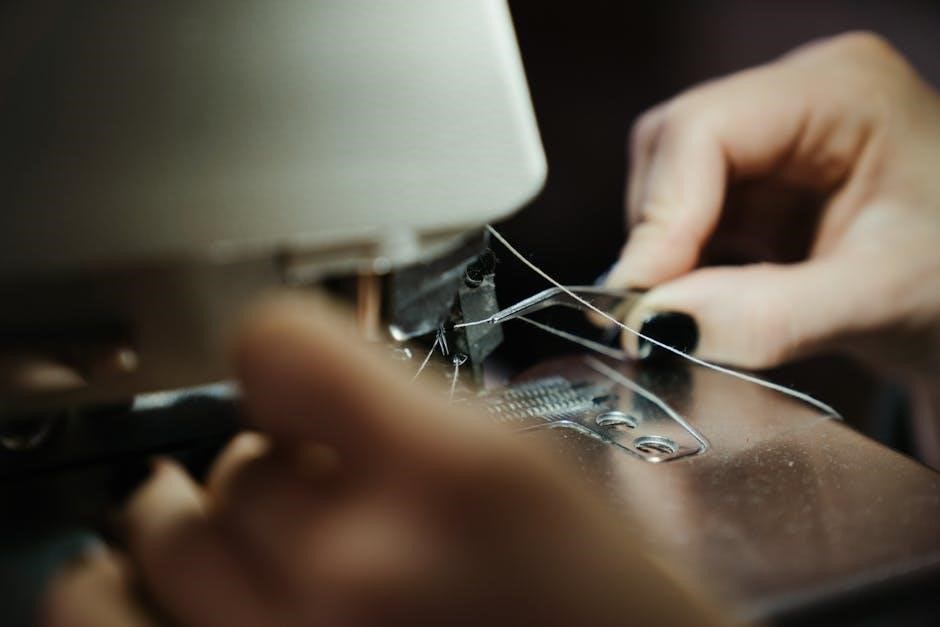
Fabric puckering can be addressed by using a stabilizer‚ adjusting hoop tension‚ or reducing embroidery density. Regularly consult the Bernina 810 manual and online forums for solutions‚ similar to seeking assistance with complex tax regulations.
Dealing with Thread Breaks and Tension Problems
Thread breaks on the Bernina 810‚ much like navigating complex systems like Agenzia delle Entrate’s platforms‚ require methodical troubleshooting. Begin by re-threading the machine‚ ensuring the thread is properly seated in all guides and the tension discs. A damaged or dull needle is a frequent culprit; replace it with a new‚ appropriate size.
Tension problems manifest as looping or puckering. Adjust the upper tension first‚ then the bobbin tension in small increments‚ testing after each adjustment. Refer to the manual’s tension charts for guidance.
Incompatible thread weight or quality can also cause issues. Experiment with different thread types‚ mirroring the need for adaptable solutions in digital environments.
Addressing Fabric Puckering and Hoop Issues
Fabric puckering during Bernina 810 embroidery‚ similar to resolving complexities within Agenzia delle Entrate’s systems‚ demands a multi-faceted approach. Stabilizers are crucial; choose the appropriate type – cut-away‚ tear-away‚ or wash-away – based on your fabric and design. Ensure the fabric is hooped tightly and evenly‚ without distortion.
Hoop selection is vital. Use the correct hoop size and shape for your design. A loose hoop or incorrect clamping pressure can cause shifting and puckering.
Reduce embroidery density‚ especially for delicate fabrics‚ mirroring the need for streamlined processes. Adjust stitch length and consider using a mesh stabilizer for added support. Proper fabric preparation and stabilizer choice are key.
Bernina 810 Maintenance and Cleaning
Regular maintenance‚ akin to the meticulous record-keeping of Agenzia delle Entrate‚ is vital for the Bernina 810’s longevity. Daily cleaning includes removing bobbin lint and thread debris from all areas – the bobbin case‚ needle plate‚ and feed dogs. Use a soft brush and consider a specialized cleaning tool.
Monthly‚ inspect and clean the hook area thoroughly. Lubricate key points as outlined in the manual‚ using Bernina-approved oil. Avoid over-oiling‚ as this can attract lint.
Annual servicing by a qualified technician is recommended‚ similar to professional audits. This ensures optimal performance and identifies potential issues before they escalate. Proper care mirrors the precision required for electronic invoicing and digital compliance.
Regular Cleaning Procedures
Consistent cleaning‚ much like the Agenzia delle Entrate’s diligent data management‚ is crucial for the Bernina 810’s performance. After each use‚ brush away lint from the bobbin area‚ needle plate‚ and feed dogs. A soft brush or specialized cleaning tool is ideal.
Weekly‚ use a vacuum with a brush attachment to remove accumulated lint from internal areas. Pay attention to the hook assembly and thread paths. Gently clean the tension discs with a lint roller.
Monthly‚ inspect the machine for oil buildup and clean accordingly. Avoid harsh chemicals; a slightly damp cloth is usually sufficient. Regular upkeep‚ mirroring the precision of electronic signatures‚ ensures smooth operation and extends the machine’s lifespan.
Lubrication and Part Replacement
Proper lubrication‚ akin to the Agenzia delle Entrate’s secure digital infrastructure‚ is vital for the Bernina 810’s longevity. Consult your manual for specific lubrication points; typically‚ the hook assembly and motor area require occasional oiling with Bernina-approved oil.
Avoid over-oiling‚ as this can attract lint. Part replacement should be undertaken only when necessary‚ using genuine Bernina parts to maintain performance. Worn needles‚ bobbins‚ and belts impact stitch quality.
Regularly inspect these components and replace them proactively. Like the consistent updates to Civis platform‚ timely part replacement ensures optimal functionality and prevents more significant issues‚ mirroring Vivaldo’s focus on development.
Bernina 810 Accessories and Compatibility
The Bernina 810 boasts extensive accessory compatibility‚ enhancing its versatility‚ much like the Agenzia delle Entrate’s expanding online services. A range of embroidery hoops‚ from small to large‚ caters to diverse design sizes.
Optional presser feet‚ including embroidery feet and free-motion quilting feet‚ expand creative possibilities. Compatibility extends to Bernina’s CutWork Module and CrystalClear foot‚ enabling intricate designs.
Ensure accessories are genuine Bernina or specifically designed for the 810 to avoid damage. Like the need for compliant electronic invoicing‚ proper accessory selection is crucial. Refer to the manual for a complete list and compatibility information‚ mirroring the detailed rules published by the Agenzia delle Entrate.
Compatible Embroidery Hoops
The Bernina 810 supports a wide array of embroidery hoops‚ mirroring the diverse digital services offered by the Agenzia delle Entrate. Standard hoops range from 5.5” x 3.5” to 9.5” x 13”‚ accommodating various design sizes.
Larger hoops‚ such as the 12” x 8” oval hoop and the jumbo hoop‚ are available for expansive designs. These larger hoops require stable fabric stabilization‚ similar to the secure electronic transmission of fiscal data.
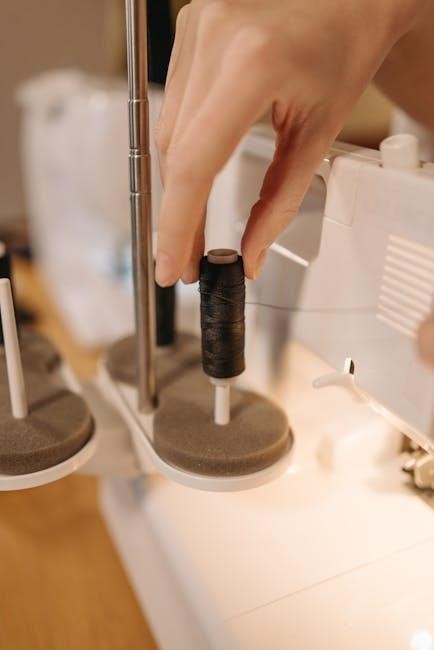
Bernina also offers specialty hoops‚ including the stitch-in-the-hoop and free-motion embroidery hoops. Always consult the Bernina 810 manual for specific hoop compatibility and recommended stabilizers‚ ensuring optimal embroidery results‚ much like adhering to the Agenzia delle Entrate’s technical rules.
Optional Feet and Attachments
The Bernina 810’s versatility is greatly enhanced by its optional feet and attachments‚ akin to the expanding digital tools of the Agenzia delle Entrate. Key attachments include the Embroidery Foot #20‚ crucial for precise embroidery work‚ and the Free-Motion Embroidery Foot #24‚ enabling creative freestyle designs.
The Crystal Clear Foot #39 provides enhanced visibility‚ while the Ruler Foot #90 facilitates accurate quilting and straight-stitch embroidery. Stabilizer frames and magnetic throat plates further improve embroidery precision‚ mirroring the secure data transmission standards.
Bernina also offers a variety of presser foot adapters and specialty attachments. Refer to the Bernina 810 manual for a complete list and compatibility information‚ ensuring optimal performance and creative possibilities‚ much like following Vivaldo’s training guidelines.
Bernina 810 vs. Other Bernina Models (807‚ 817)
Comparing the Bernina 810 to the 807 and 817 reveals nuanced differences‚ similar to the iterative improvements seen in Agenzia delle Entrate’s digital platforms. The 810 generally offers a larger embroidery area and increased memory capacity for designs‚ exceeding the 807’s capabilities.
While all three models share core Bernina quality and functionality‚ the 817 often includes more advanced features like automatic thread trimming and pattern drafting. The 810 strikes a balance‚ providing robust embroidery features without the 817’s premium price point.
Consider your specific embroidery needs; the 807 is suitable for hobbyists‚ the 810 for serious enthusiasts‚ and the 817 for professionals. Refer to detailed model comparisons and Bernina’s official documentation for precise specifications‚ mirroring the clarity of Vivaldo’s training materials.
Comparing Embroidery Features
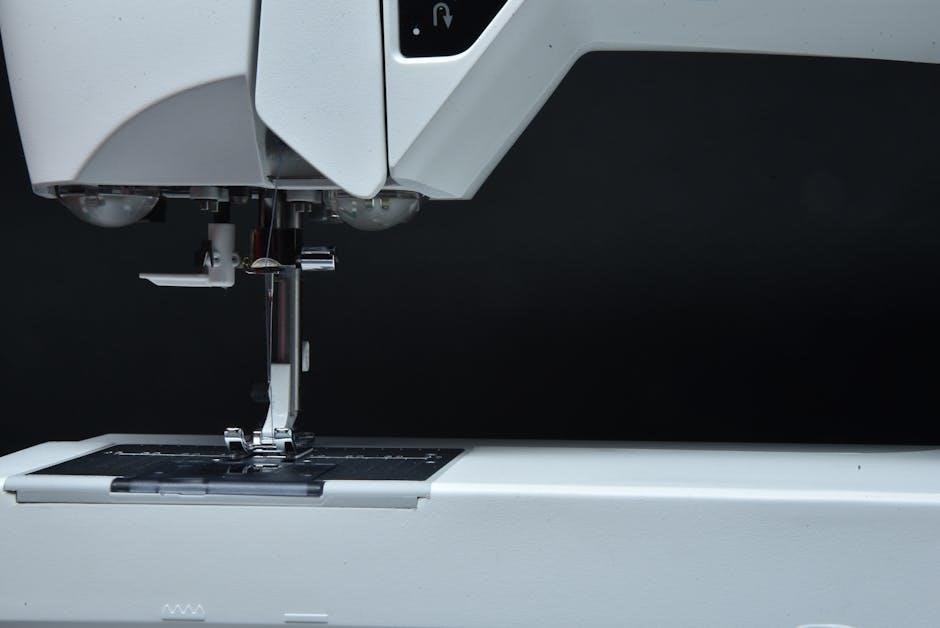
The Bernina 810’s embroidery features stand out with its expansive design space and high-resolution capabilities‚ akin to the detailed data within Agenzia delle Entrate’s systems. It boasts a wide array of built-in designs and fonts‚ offering creative flexibility for diverse projects.
Compared to simpler models‚ the 810 excels in complex stitch patterns and intricate detailing. Its advanced editing functions allow for precise customization‚ mirroring the adaptability of modern digital tools.
Features like automatic thread trimming and needle threading enhance efficiency‚ similar to the streamlined processes implemented by the Agenzia delle Entrate. The machine’s compatibility with Bernina’s embroidery software further expands its potential‚ offering professional-grade digitizing options.
Performance Differences
The Bernina 810 demonstrates superior performance in handling dense embroidery designs and multiple layers of fabric‚ much like the robust data processing of Agenzia delle Entrate’s platforms. Its powerful motor ensures consistent stitch quality even at high speeds‚ minimizing errors and maximizing efficiency.
Compared to the 807‚ the 810 exhibits enhanced stability and reduced vibration‚ resulting in cleaner‚ more precise embroidery. The 817 offers similar capabilities‚ but the 810 often provides a larger embroidery area and more advanced features.
The machine’s responsiveness to software commands and its ability to maintain consistent tension contribute to its overall performance‚ echoing the reliability of Vivaldo’s training programs.
Resources for Bernina 810 Users
Bernina 810 owners benefit from a wealth of online resources‚ mirroring the comprehensive support offered by Agenzia delle Entrate through platforms like Civis. Dedicated online forums and communities provide spaces for users to share tips‚ troubleshoot issues‚ and showcase their creations.
Official Bernina support offers detailed documentation‚ software updates‚ and access to expert assistance‚ akin to the agency’s commitment to providing clear fiscal guidance. Numerous YouTube channels feature tutorials and demonstrations‚ covering everything from basic operation to advanced digitizing techniques.
Bernina’s website hosts a library of downloadable resources‚ including manuals and stitch patterns‚ ensuring users have the tools they need to succeed.
Online Forums and Communities
A vibrant network of Bernina 810 users thrives in online forums and communities‚ offering a collaborative space similar to Agenzia delle Entrate’s digital platforms for professional support. These platforms serve as invaluable resources for troubleshooting‚ sharing design ideas‚ and learning new techniques.
Dedicated Facebook groups and online message boards connect owners globally‚ fostering a sense of community and providing quick answers to common questions. Experienced users readily share their expertise‚ mirroring the knowledge exchange facilitated by experts like Vivaldo in training sessions.
Websites dedicated to machine embroidery often feature specific sections for Bernina machines‚ including the 810‚ providing tutorials and project inspiration.
Official Bernina Support and Documentation
Bernina offers comprehensive official support and documentation for the 810 embroidery machine‚ mirroring the detailed resources provided by entities like Agenzia delle Entrate for their digital services. The official Bernina website hosts downloadable manuals‚ software updates‚ and frequently asked questions (FAQs).
Users can access detailed guides covering all aspects of the machine‚ from basic operation to advanced embroidery techniques. Bernina’s support team is available via phone‚ email‚ and online chat to assist with technical issues‚ much like the support offered for complex systems;
Additionally‚ Bernina dealerships provide local support‚ training‚ and maintenance services‚ ensuring users have access to expert assistance.


0 Comments