Bosch Solution 3000 Installer Manual: A Comprehensive Guide
This comprehensive manual details the installation‚ configuration‚ operation‚ and troubleshooting of the Bosch Solution 2000/3000 Control Panel.
It’s designed for trained installers‚ offering guidance on system setup and remote control installations.
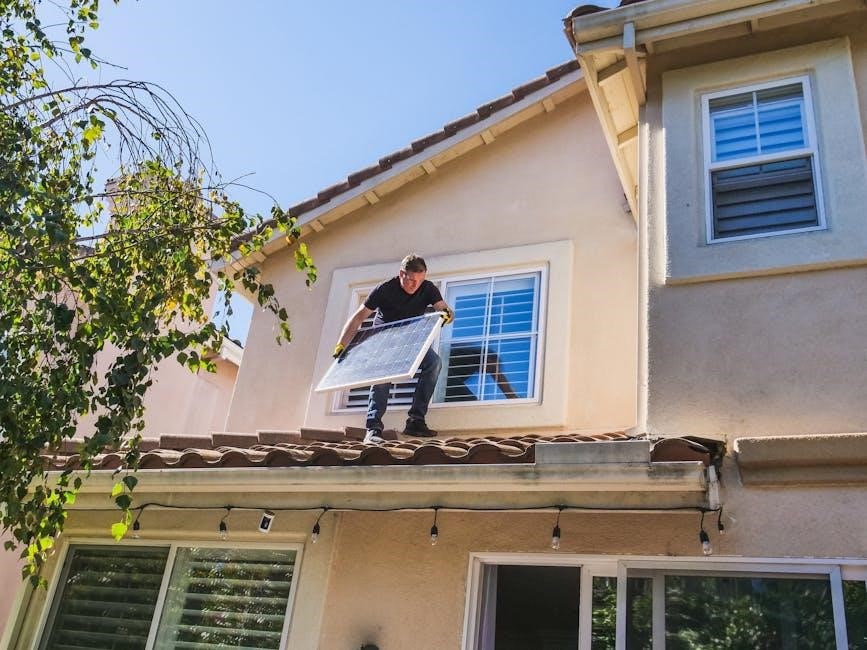
The Bosch Solution 3000 represents a significant advancement in security system technology‚ frequently recommended for residential installations due to its reliability and feature set. This system offers a robust platform for safeguarding homes and businesses‚ integrating seamlessly with a wide array of security devices.
Designed with the installer in mind‚ the Solution 3000 prioritizes ease of installation and configuration. It provides a flexible architecture‚ accommodating diverse security needs and allowing for customized system designs. The system’s core strength lies in its ability to deliver dependable performance and scalability‚ ensuring long-term security solutions.
This manual serves as a detailed guide for professionals tasked with installing and maintaining the Bosch Solution 3000. It covers everything from initial setup and component overview to advanced configuration options and troubleshooting procedures‚ ensuring a smooth and efficient installation process. Understanding the system’s capabilities is crucial for maximizing its potential.
System Components and Overview
The Bosch Solution 3000 system comprises several key components working in concert to provide comprehensive security. Central to the system is the Control Panel (Solution 2000/3000)‚ the brain of the operation‚ managing all connected devices and communication. Keypads offer user interaction for arming‚ disarming‚ and system control.
A variety of sensors – door/window contacts‚ motion detectors‚ and glass break detectors – detect intrusions. Sirens provide audible alerts upon alarm activation. The system also supports various communication modules for connectivity‚ including Ethernet‚ Wi-Fi‚ and cellular options.
Receiver 1/2 components handle incoming signals. The Remote Security Control App enables remote system management via smartphones. Proper understanding of each component’s function and interconnection is vital for successful installation. Detailed wiring diagrams and component specifications are provided within this manual to aid installers in building a robust and reliable security infrastructure.
Understanding the Control Panel

The Bosch Solution 3000 Control Panel serves as the central hub‚ processing signals from all connected security devices. Accessing the Control Panel Configuration menu is crucial for initial setup and ongoing maintenance. Within this menu‚ installers select either Solution 2000 or Solution 3000‚ depending on the installed panel type.
The panel features a built-in keypad for local programming and diagnostics. LED indicators display system status‚ including arming mode‚ fault conditions‚ and communication status. The Link menu facilitates network configuration‚ enabling connection to Ethernet or Wi-Fi networks.
Understanding the panel’s programming logic is essential. The Installer Code grants access to advanced settings‚ allowing customization of zone configurations‚ alarm responses‚ and user access levels. Careful attention to the panel’s documentation and a methodical approach to programming are key to a properly functioning system.
Installer Code Access and Security
The Installer Code is paramount for secure system configuration and maintenance of the Bosch Solution 3000. This code provides privileged access to all system settings‚ bypassing standard user limitations. To enter Installer Mode‚ press the Installer Code followed by ‘6’ and the ‘#’ key – three beeps will confirm successful entry.
Maintaining the confidentiality of the Installer Code is critical. Unauthorized access can compromise system security‚ allowing manipulation of settings and potential disabling of alarms. It is strongly recommended to change the default Installer Code immediately upon initial installation.
Implement robust password management practices. Avoid easily guessable codes and regularly update the Installer Code as a security precaution. Document the code securely‚ separate from the system itself‚ and restrict access to authorized personnel only. Proper security protocols safeguard the integrity of the entire security system.
Pre-Installation Checklist
Prior to commencing the Bosch Solution 3000 installation‚ a thorough pre-installation checklist is essential for a smooth and efficient process. Verify all required components are present‚ including the control panel‚ keypads‚ sensors‚ and wiring. Confirm compatibility with existing infrastructure and ensure adequate power supply availability at the installation location.
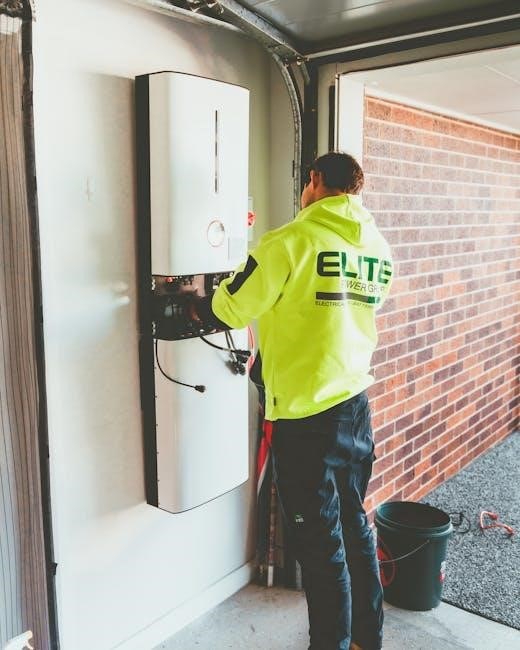
Review the site plan to determine optimal sensor placement and wiring routes‚ minimizing potential interference and maximizing coverage. Check network connectivity if remote access is desired‚ ensuring a stable internet connection. Obtain the necessary tools – wire strippers‚ crimpers‚ screwdrivers‚ and a multimeter – to avoid delays.
Familiarize yourself with the system programming and available zones. Finally‚ inform the homeowner about the installation schedule and potential disruptions. A well-prepared checklist minimizes errors and ensures a professional installation.
Wiring Diagrams and Connections
Accurate wiring is critical for the Bosch Solution 3000 system’s functionality. Refer to the detailed wiring diagrams provided in the installation guide for specific configurations. Typically‚ the control panel requires connections for power (12VDC)‚ communication (network cable)‚ and zone inputs (sensors).
Zone wiring utilizes supervised loops‚ requiring end-of-line resistors to detect tampering or open circuits. Ensure correct polarity when connecting sensors to avoid false alarms. Keypad wiring involves data and power connections‚ often using a four-wire configuration.
Proper grounding is essential to prevent electrical interference and ensure system stability. Utilize appropriate wire gauges based on distance and current requirements. Double-check all connections before powering on the system‚ verifying secure terminations and correct wiring sequences. Incorrect wiring can lead to system malfunctions or security breaches.

Zone Configuration and Programming
Zone configuration defines how each input on the control panel is interpreted by the system. Using the installer code‚ access the programming menu to assign zone types – entry/exit‚ interior‚ perimeter‚ or 24-hour zones. Each zone requires a unique number and descriptive name for easy identification during alarm events.
Programming includes setting zone attributes like entry/exit delay times‚ alarm follow-up‚ and tamper protection. Configure zones for instant or delayed alarm responses based on the protected area. Sensitivity adjustments may be necessary for certain sensor types to minimize false alarms.
Proper zone programming is crucial for accurate alarm reporting. Ensure each zone is correctly defined to reflect its intended purpose. Incorrect zone configuration can lead to nuisance alarms or a failure to detect genuine security breaches. Thoroughly test each zone after programming to verify functionality.
Device Enrollment and Addressing
Device enrollment is the process of adding wireless or hardwired devices to the Bosch Solution 3000 system. Each device requires a unique address to be recognized by the control panel. Enrollment typically involves entering a device-specific code or initiating a pairing process through the control panel interface.
Addressing ensures each device communicates reliably with the system. Avoid address conflicts by carefully assigning unique identifiers during enrollment. The system supports a large number of devices‚ but proper addressing is essential for optimal performance. Refer to the device’s documentation for specific enrollment instructions.
Successful enrollment confirms the device is communicating with the panel. Verify device status and signal strength after enrollment. Troubleshooting enrollment issues may involve checking battery levels‚ antenna placement‚ or potential interference. Accurate device addressing is fundamental for a functional security system.
Network Configuration and Connectivity
Network configuration establishes communication between the Bosch Solution 3000 control panel and external networks‚ enabling remote access and monitoring. This involves configuring IP addresses‚ gateway settings‚ and DNS servers within the control panel’s configuration menu. Select either Solution 2000 or 3000 based on your panel type.
Connectivity options include Ethernet and potentially cellular modules. Ethernet provides a wired connection to the network‚ while cellular offers a wireless backup in case of network outages. Ensure the network infrastructure supports the panel’s communication requirements. Proper network settings are crucial for reliable remote access.
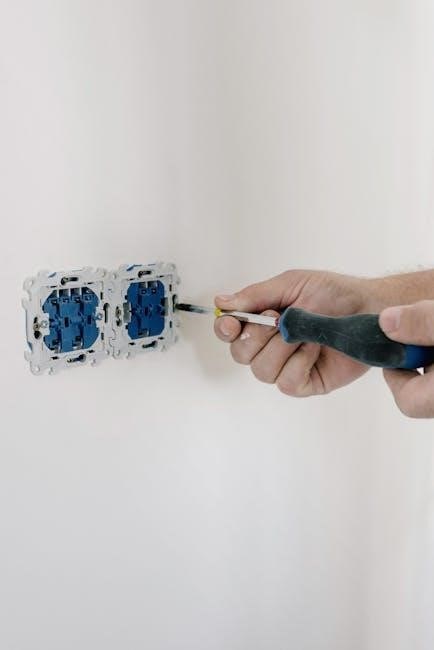
Secure communication is paramount. Implement appropriate security measures‚ such as firewalls and encryption‚ to protect against unauthorized access. Verify network connectivity by pinging the control panel from a remote location. Successful network configuration unlocks the full potential of the system.
Remote Security Control App Setup
The Bosch Remote Security Control App allows users to manage their security system remotely‚ offering features like arming/disarming‚ viewing system status‚ and receiving notifications. Setup involves linking the control panel to a Bosch account through the app. Ensure the system is connected to the network – either via Ethernet or cellular – for app functionality.
The app setup process typically requires scanning a QR code located on the control panel or entering the panel’s serial number. Follow the in-app instructions carefully to create an account and pair the app with the system. Some Windows versions may present certificate installation issues during this process‚ requiring specific troubleshooting steps.
Verify app functionality by testing remote arming/disarming and notification delivery. Proper setup provides convenient and secure remote control of the security system. Regularly update the app to benefit from the latest features and security enhancements.
Troubleshooting Common Installation Issues
During Bosch Solution 3000 installation‚ several issues may arise. Communication failures between the control panel and devices are common‚ often stemming from wiring problems or incorrect addressing. Verify all connections are secure and that devices are enrolled correctly using the appropriate programming tools.
Network connectivity problems can hinder remote access and monitoring. Ensure the control panel has a stable internet connection‚ checking Ethernet cables or cellular signal strength. Certificate installation errors on certain Windows versions can also disrupt connectivity‚ requiring specific troubleshooting steps outlined in the documentation.
False alarms can occur due to improperly configured zones or sensitivity settings. Carefully review zone programming and adjust sensitivity levels to minimize false triggers; Refer to the installer manual for detailed troubleshooting guidance and diagnostic procedures.
Programming Alarm Responses
The Bosch Solution 3000 system allows extensive customization of alarm responses. Installers can program specific actions triggered by various alarm events‚ tailoring the system to individual client needs. This includes defining siren durations‚ notification methods (phone calls‚ SMS messages‚ app alerts)‚ and communication sequences.
Response programming involves assigning event-specific actions within the control panel’s configuration menu. Different zones can be configured with unique responses‚ enabling differentiated security levels. For example‚ a perimeter breach might trigger an immediate alarm and notification‚ while an interior zone might initiate a delayed response.
The codepad fire alarm functionality is also programmable; when activated via the programmed installer code‚ the system initiates a fire alarm condition. Careful consideration should be given to local regulations and emergency contact procedures when configuring these responses.
User Guide Integration
A crucial aspect of a successful Bosch Solution 3000 installation is providing a comprehensive user guide to the homeowner. This guide should clearly explain system operation‚ arming/disarming procedures‚ and troubleshooting common issues. It’s essential to customize the user guide with details specific to the installed configuration‚ including zone names and programmed features.
The installer should walk the homeowner through the system’s functionality‚ demonstrating how to use the control panel‚ remote control‚ and mobile app. Emphasis should be placed on understanding alarm responses and emergency procedures. A well-prepared user guide minimizes confusion and maximizes user satisfaction.
Referencing the Bosch Security Systems user guide is recommended‚ but it must be supplemented with installation-specific information. This ensures the homeowner understands the unique aspects of their security system and can operate it effectively.
Codepad Fire Alarm Functionality

The Bosch Solution 3000 system’s codepad integrates seamlessly with fire alarm devices‚ providing a critical layer of safety. When a fire alarm signal is received‚ the system activates‚ initiating a pre-programmed response. This response can include audible alarms‚ notification to a monitoring center‚ and potentially‚ automated actions like unlocking doors.
The installer programs the system with a unique code‚ allowing users to silence nuisance alarms or acknowledge fire events. However‚ it’s vital to understand that the system will automatically re-alarm if the condition persists. Proper configuration ensures reliable fire protection and minimizes false alarms.
The user guide should clearly explain the fire alarm procedures‚ including how to respond to an alarm and the importance of evacuating the premises. The programmed installer code is essential for system control during a fire event‚ but user training is paramount.
Quick Installation Guide Reference
The Bosch Solution 2000/3000 Quick Installation Guide (298.027) streamlines the setup process for installers. It begins by thanking the user for choosing the control panel and provides a concise overview of the installation workflow. This guide is designed to be a rapid reference‚ covering essential steps from unpacking to initial system testing.
Key areas covered include accessing the control panel configuration menu‚ selecting the appropriate solution (2000 or 3000)‚ and navigating the Link menu for network configuration. The guide emphasizes the importance of proper wiring and device enrollment for optimal system performance.
For detailed instructions and advanced features‚ installers should always refer to the complete Bosch Solution 3000 Installer Manual. This quick guide serves as a starting point‚ ensuring a faster and more efficient installation process‚ while maintaining system integrity.
Installation Workflow – Step-by-Step

The Bosch Solution 3000 installation workflow begins with entering the Installer Code‚ followed by pressing ‘6’ and the ‘key’ – indicated by three beeps. This unlocks advanced configuration options. Subsequently‚ zone indicators illuminate‚ signaling report events for Receiver 1/2‚ confirming system responsiveness.
Next‚ the installer should open the Control Panel Configuration menu‚ selecting either Solution 2000 or 3000 based on the installed hardware. Accessing the Link menu then allows for network configuration‚ establishing communication pathways. Proper wiring and device enrollment are crucial steps following initial setup.
Throughout the process‚ referencing the complete Installer Manual is vital. This ensures adherence to best practices and facilitates troubleshooting. Thorough system testing and verification conclude the workflow‚ guaranteeing a secure and reliable installation for the end-user.
Receiver Configuration (Receiver 1/2)
Receiver configuration within the Bosch Solution 3000 system is initiated after Installer Code access. Upon entering the code and the designated sequence‚ zone indicators activate‚ specifically signaling report events for both Receiver 1 and Receiver 2. This immediate response confirms the receiver’s operational status and readiness for configuration.
The system supports two receivers‚ allowing for redundancy or expanded communication capabilities. Each receiver can be independently configured to handle specific zones or communication paths. Proper configuration ensures reliable alarm signal transmission to monitoring stations or end-users.
Detailed settings‚ including communication protocols and event reporting parameters‚ are accessible through the control panel’s configuration menu. Careful attention to these settings is crucial for optimal performance and accurate alarm reporting. Refer to the full installer manual for comprehensive guidance on receiver-specific options.
Certificate Installation (Windows Compatibility)
Certain Windows operating systems may present challenges during certificate installation for the Bosch Solution 3000 system. This typically occurs when establishing a secure connection for remote access or utilizing the Bosch Remote Security Control App. The issue stems from compatibility conflicts between the system’s security certificates and specific Windows versions.
To resolve this‚ installers may need to manually install the necessary root certificates. This process involves importing the certificate into the Windows Certificate Store‚ ensuring the system trusts the connection. Detailed instructions for manual installation are available in the comprehensive installer manual.
Always verify the certificate’s validity and source before installation. Utilizing a trusted certificate authority is crucial for maintaining system security. Furthermore‚ ensuring the Windows operating system is up-to-date with the latest security patches can mitigate potential compatibility issues.
Advanced Configuration Options
The Bosch Solution 3000 system offers a range of advanced configuration options for experienced installers‚ allowing for highly customized security solutions. These options extend beyond basic zone programming and network setup‚ enabling fine-tuning of system behavior and integration with other smart home technologies.
Advanced features include customizable alarm responses‚ detailed event logging‚ and sophisticated user access controls. Installers can define specific actions triggered by various alarm events‚ such as activating sirens‚ sending notifications‚ or contacting monitoring services. Event logs provide valuable diagnostic information for troubleshooting and system analysis.
Furthermore‚ the system supports advanced network configurations‚ including VPN access and port forwarding. These options enhance remote access security and allow for seamless integration with existing network infrastructure. Thorough understanding of networking principles is recommended when utilizing these advanced features.
System Testing and Verification
Rigorous system testing and verification are crucial after completing the installation of a Bosch Solution 3000 system. This ensures all components function correctly and the system responds as expected to various alarm triggers. A comprehensive test plan should be followed‚ covering all zones‚ sensors‚ and communication pathways.
Begin by verifying proper sensor functionality – walk tests for motion detectors‚ opening/closing tests for door and window contacts‚ and smoke detector tests. Confirm that each zone accurately reports its status to the control panel. Next‚ test the alarm notification process‚ ensuring signals are sent to the monitoring station (if applicable) and that user notifications are delivered correctly.
Finally‚ verify network connectivity and remote access functionality. Confirm the system can be accessed and controlled via the Remote Security Control App. Document all test results and address any discrepancies before handing over the system to the end-user.
Documentation and Resources
Comprehensive documentation is essential for successful Bosch Solution 3000 installations and ongoing maintenance. Bosch provides a range of resources to support installers‚ including detailed installation guides‚ quick reference guides‚ and brochures covering various system aspects. These materials are available through the Bosch Security Systems website and authorized dealer portals.
The control panel itself offers built-in documentation access‚ providing information on system configuration and troubleshooting. Additionally‚ online forums and technical support channels offer a platform for installers to share knowledge and seek assistance from experienced professionals. Keep a readily accessible collection of these resources on-site during installation.
Remember to retain copies of all installation records‚ wiring diagrams‚ and programming configurations for future reference and maintenance purposes. Proper documentation ensures efficient troubleshooting and system upgrades.



0 Comments