Bosch Solution 3000 Installer Manual: A Comprehensive Guide
This manual details installation, configuration, operation, and troubleshooting for the Bosch Solution 2000/3000 Control Panel. It’s geared towards trained installers, offering quick reference guides and detailed procedures.
The Bosch Solution 3000 is a robust and scalable security system designed for residential and small-to-medium commercial applications. Often recommended for residential installs, it provides a comprehensive security solution with advanced features. This system offers a flexible platform, supporting a wide range of detectors and peripherals.

Key benefits include reliable performance, ease of use, and remote access capabilities via the Bosch Remote Security Control App. The Solution 3000 integrates seamlessly with other Bosch security components, creating a unified security ecosystem. Understanding the system’s architecture and components is crucial for successful installation and configuration. This manual serves as a guide for installers, providing detailed instructions and best practices. Proper installation ensures optimal system performance and reliability, safeguarding properties and assets effectively.

System Overview and Components
The Bosch Solution 3000 system centers around the control panel, available in Solution 2000 and 3000 variants, acting as the central processing unit. Essential components include keypads for user interaction, motion detectors for intrusion detection, and door/window contacts to secure entry points. Communication modules enable connectivity via Ethernet or Wi-Fi, facilitating remote access and monitoring.
Additional components encompass siren outputs for audible alarms, battery backup for power outages, and various receiver modules for alarm reporting. The system supports a diverse range of wired and wireless devices, offering installation flexibility. Understanding the interplay between these components is vital for proper system configuration. Quick installation guides detail the workflow, while user guides explain system operation. Correct component selection and integration are key to a reliable and effective security solution.
Understanding the Control Panel
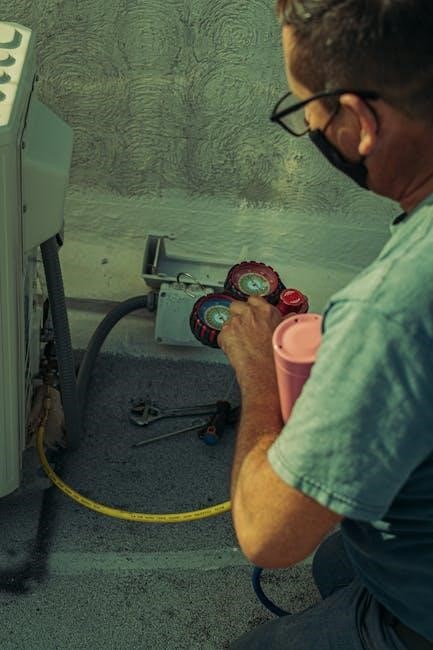
The Bosch Solution 3000 control panel serves as the system’s brain, managing all connected devices and security functions. It features a built-in codepad for programming and system control, requiring the installer code for access. The panel’s configuration menu allows selection between Solution 2000 or 3000 modes, depending on the installed hardware.
Key functionalities include zone programming, user code management, and network configuration. The Link menu facilitates network setup, enabling IP address configuration and connectivity via Ethernet or Wi-Fi. Understanding the panel’s indicators – such as zone status lights – is crucial for troubleshooting. Entering the installer code followed by ‘6’ activates receiver testing. Proper panel understanding is foundational for successful installation and ongoing maintenance, ensuring optimal system performance and security.

Installation Procedures
Proper installation requires a pre-installation checklist, careful mounting of the control panel, and precise wiring of power, zones, and communication modules.
Pre-Installation Checklist
Before commencing the installation of the Bosch Solution 3000 system, a thorough pre-installation checklist is crucial for a smooth and efficient process. First, verify all necessary components are present, including the control panel, keypads, sensors, and communication modules. Confirm the availability of appropriate wiring and conduit.
Assess the installation location, ensuring it meets environmental requirements and provides secure mounting options. Check for potential interference sources that could affect wireless communication. Review the customer’s security requirements and system layout to determine optimal sensor placement and zoning.
Verify the power supply meets the system’s voltage and current demands. Ensure network connectivity is available if remote access is desired. Finally, familiarize yourself with the latest firmware updates and programming procedures. A well-executed checklist minimizes delays and ensures a reliable security system.
Mounting the Control Panel
Securely mounting the Bosch Solution 3000 control panel is paramount for system reliability and longevity. Select a protected indoor location, away from extreme temperatures, humidity, and potential physical damage. The enclosure should be mounted on a solid surface capable of supporting its weight, utilizing appropriate screws and anchors.
Ensure sufficient space around the panel for wiring and future maintenance. Maintain a minimum clearance of [specify distance] from walls and other obstructions. Verify the mounting location allows easy access for programming and troubleshooting.
Before final mounting, confirm the back tamper switch is functioning correctly. Proper grounding is essential; connect the panel’s ground terminal to the building’s grounding system. Double-check all mounting hardware is tightened securely to prevent vibration and potential disconnections. A stable and secure mount ensures optimal system performance.
Wiring and Connections
Proper wiring and secure connections are critical for the Bosch Solution 3000’s functionality. Always adhere to local electrical codes and safety regulations. Use appropriately sized wiring for all connections, ensuring sufficient current capacity. Clearly label all wires during installation for easy identification and future troubleshooting.
Before connecting any wiring, ensure the main power supply is disconnected. Utilize a wiring diagram specific to your system configuration. Pay close attention to polarity when connecting power and communication lines. Verify all connections are tight and secure, preventing loose wires and intermittent faults.
Employ proper strain relief techniques to protect wiring from damage. Regularly inspect all connections for corrosion or wear. Incorrect wiring can lead to system malfunctions or damage; meticulous attention to detail is essential for a reliable installation.
Power Supply Connection
Connecting the power supply correctly is paramount for stable system operation. The Bosch Solution 3000 requires a dedicated, regulated power source matching the panel’s voltage specifications – typically 12V DC. Ensure the power supply has sufficient capacity to handle all connected devices, including the control panel, communication modules, and sensors.
Observe correct polarity when connecting the power wires; reversed polarity can cause immediate damage. Utilize a fused connection to protect against overcurrent situations. Ground the power supply appropriately to prevent electrical shock and ensure proper operation.
Verify the power supply voltage at the control panel terminals using a multimeter before powering on the system. A stable and clean power source is crucial for reliable alarm functionality and preventing false alarms; Double-check all connections before restoring power.
Zone Wiring Configuration
Proper zone wiring is critical for accurate alarm detection and system functionality. Each zone represents a specific area or sensor input. Utilize appropriate wiring methods – typically shielded cable – to minimize interference and ensure signal integrity. Adhere to the wiring diagrams provided in the Bosch documentation for your specific sensor types.
Consider end-of-line (EOL) resistors to supervise the wiring for faults like open or short circuits. The correct resistor value depends on the zone configuration and sensor type. Ensure all zone wiring is neatly organized and securely terminated within the control panel enclosure.
Double-check all connections before powering up the system, verifying correct polarity and secure terminations. Incorrect wiring can lead to false alarms or system failures. Refer to the zone programming section for configuring zone attributes and definitions.

Communication Module Installation
The communication module enables remote access and reporting for the Bosch Solution 3000 system. Installation typically involves inserting the module into a designated slot within the control panel. Ensure the control panel is powered down before installing or removing any modules.
Carefully align the module connector with the slot and gently push until securely seated. Verify proper seating by visually inspecting the connection. Depending on the module type (Ethernet, Wi-Fi, or cellular), additional configuration may be required.
For Ethernet connections, connect a standard network cable from the module to your network infrastructure. For Wi-Fi, follow the on-screen prompts to connect to your wireless network. Refer to the module’s specific installation guide for detailed instructions and troubleshooting tips. Proper network configuration is essential for reliable remote access.

System Programming and Configuration
Programming involves accessing the installer code for security, defining zone types, managing user access, and configuring network settings for optimal system performance.
Installer Code Access and Security

Accessing the installer code is paramount for secure system configuration and maintenance. The default code should be immediately changed upon initial system setup to prevent unauthorized access and potential compromise. To enter the installer mode, input the current installer code followed by the ‘6’ key and the ‘#’ key; three beeps will confirm successful entry.
This mode grants complete control over system parameters, including zone programming, user management, and network settings. Maintaining the confidentiality of the installer code is crucial. Document the new code securely, separate from the system itself. Regularly review and update the code as a preventative security measure.
Incorrect attempts to enter the installer code may trigger a temporary lockout, enhancing security against brute-force attacks. Always adhere to best practices for password management to safeguard the system’s integrity and functionality.
Zone Programming
Zone programming defines the behavior of each input on the control panel, tailoring the system to the specific installation. Each zone must be accurately configured to reflect its physical location and intended function – door, window, motion detector, or other security device. The system supports various zone types, including instant, entry/exit, stay, and 24-hour zones, each triggering different alarm responses.
During programming, define zone attributes such as loop number, zone description, and communication mask. Proper zone definition ensures accurate alarm reporting and minimizes false alarms. Carefully consider the zone’s sensitivity and adjust settings accordingly. Incorrect zone programming can lead to system malfunctions or compromised security.
Refer to the comprehensive zone attribute list within the control panel configuration menu for detailed options and their impact on system operation. Thorough zone programming is fundamental to a reliable and effective security system.
Zone Types and Definitions
The Bosch Solution 3000 system utilizes diverse zone types to customize security responses based on specific needs. ‘Instant’ zones trigger an alarm immediately upon activation, ideal for areas requiring immediate attention. ‘Entry/Exit’ zones provide a delay for authorized access and egress, preventing false alarms during normal use. ‘Stay’ zones protect the perimeter while occupants remain inside, typically arming doors and windows but bypassing interior motion detectors.
‘24-Hour’ zones offer continuous protection, crucial for areas like glass break detectors or critical infrastructure. Understanding these definitions is vital for accurate system configuration. Furthermore, specialized zones like ‘Fire’ or ‘Supervisory’ zones are available for specific applications, requiring dedicated programming parameters.
Selecting the correct zone type ensures the system reacts appropriately to each security event, maximizing effectiveness and minimizing disruptions. Incorrect zone type assignment can compromise security or generate nuisance alarms.
Zone Attributes and Settings
Beyond zone types, the Bosch Solution 3000 allows granular control through adjustable attributes and settings. ‘Zone Bypass’ enables temporary deactivation of a zone without disarming the entire system, useful during maintenance or when pets are present. ‘Zone Loop’ detection identifies wiring faults, enhancing system reliability. ‘No Entry Delay’ disables the entry delay timer, suitable for zones requiring immediate response.
‘Alarm Repeat’ settings control how many times an alarm signal is sent to the monitoring station, ensuring reliable communication. ‘Cross Zoning’ allows linking multiple zones to trigger an alarm, increasing security coverage. ‘Sensitivity’ adjustments fine-tune detector responsiveness, minimizing false alarms while maximizing detection accuracy.
Properly configuring these attributes is crucial for tailoring the system to the specific environment and user needs. Careful consideration of each setting optimizes performance and minimizes unwanted activations.
User Code Management
The Bosch Solution 3000 system provides robust user code management features, essential for controlling access and system operation. The installer code, initially set during installation, grants full system control and programming access. Multiple user codes can be created, each with customizable access levels and privileges.
These levels determine which functions users can perform – arming/disarming the system, accessing specific zones, or viewing event logs. Codes can be assigned unique names for easy identification. The system supports varying code lengths for enhanced security. It’s crucial to educate end-users on secure code practices, avoiding easily guessable numbers.
Regularly reviewing and updating user codes is recommended. The system also allows for temporary codes, ideal for guests or service personnel, adding another layer of control and security.
Network Configuration
Proper network configuration is vital for remote access and advanced features of the Bosch Solution 3000 system. Access the Control Panel Configuration menu and select either Solution 2000 or 3000, depending on your installed panel type. Navigate to the Link menu, then select Network to begin the setup process.
The system supports both Ethernet and Wi-Fi connectivity methods, offering flexibility in installation environments. For Ethernet, a wired connection to the network is required, while Wi-Fi necessitates selecting the appropriate network and entering the password.
IP address assignment can be static or dynamic (DHCP). Static IP addresses provide consistent access, while DHCP simplifies setup. Ensure the IP address doesn’t conflict with other devices on the network. Successful network configuration enables remote access via the Bosch Remote Security Control App.
IP Address Setup
Configuring the IP address is a crucial step within network configuration for the Bosch Solution 3000. The control panel offers two primary methods: Static IP assignment and Dynamic IP address acquisition via DHCP. Selecting the appropriate method depends on network infrastructure and desired stability.
For Static IP addresses, the installer must manually enter the IP address, subnet mask, gateway address, and DNS server addresses. Careful planning is essential to avoid conflicts with existing network devices. Ensure the chosen IP address is outside the DHCP range of the router.
Alternatively, selecting DHCP allows the control panel to automatically obtain an IP address from the network’s DHCP server. This simplifies setup but relies on the DHCP server’s availability and consistent address assignment. Verify the assigned IP address within the control panel’s interface after DHCP configuration.
Connectivity Methods (Ethernet/Wi-Fi)
The Bosch Solution 3000 supports both Ethernet and Wi-Fi connectivity, offering flexibility in installation scenarios. Ethernet provides a stable, wired connection, ideal for environments where reliability is paramount. Simply connect an Ethernet cable from the control panel to the network’s router or switch.
Wi-Fi offers wireless convenience, particularly useful when running cables is impractical. The system supports standard Wi-Fi security protocols (e.g., WPA2) to ensure secure communication. During Wi-Fi setup, the installer will need to select the network SSID and enter the correct password.
Compatibility issues with certain Windows versions regarding certificate installation have been noted during Wi-Fi setup. Ensure the latest firmware is installed to mitigate potential problems. The Bosch Remote Security Control App utilizes these connectivity methods for remote access and control.
Advanced System Features
Explore remote access via the Bosch app, alarm verification protocols, and troubleshooting tips. Firmware updates and a quick installation guide are also included for maintenance.
Remote Access Setup (Bosch Remote Security Control App)
The Bosch Remote Security Control App enables users to remotely manage and monitor their security system. Setup involves configuring network connectivity – either Ethernet or Wi-Fi – on the Solution 3000 control panel. Ensure the panel has a stable internet connection before proceeding.
During the setup process, you may encounter certificate issues on certain Windows versions; these can typically be resolved through browser settings or temporary workarounds. The app allows arming/disarming, viewing system status, and receiving real-time notifications.
Proper configuration of user accounts within the control panel is crucial for secure remote access. The installer must verify that each user has appropriate permissions and a strong password. Regularly check for app updates to benefit from the latest features and security enhancements. Detailed instructions are available within the Bosch documentation and app support resources.
Alarm Verification and Response
The Bosch Solution 3000 system offers advanced alarm verification features to minimize false alarms. These include dual-technology detection, which requires two sensors to trigger an alarm, and signal processing algorithms that differentiate between genuine threats and environmental disturbances.
Upon alarm activation, the system can be programmed to initiate various response protocols, such as audible sirens, strobe lights, and automated notifications to monitoring centers or designated contacts. The installer plays a vital role in configuring these responses based on the specific needs of the property and the client’s preferences.
Proper zone programming is critical for accurate alarm verification. Defining zone types (e.g., entry/exit, interior, perimeter) and attributes ensures the system responds appropriately to different alarm events. Regular testing and maintenance are essential to confirm the effectiveness of the alarm verification and response mechanisms.
Troubleshooting Common Installation Issues
During Bosch Solution 3000 installations, several issues may arise. Communication problems, often related to network configuration (Ethernet/Wi-Fi setup), can be resolved by verifying IP addresses and connectivity. Certificate errors, particularly with Windows systems, may require specific troubleshooting steps related to the Bosch Remote Security Control App.
Zone wiring errors are frequent; ensure correct zone wiring configuration and proper sensor compatibility. Power supply connection issues can be identified by checking voltage levels and wiring integrity. If the system fails to arm or disarm, verify installer code access and user code management settings.
Firmware update failures can sometimes occur; consult the Bosch support website for the latest firmware and update procedures. Thoroughly reviewing the installation workflow and quick installation guide can prevent many common problems.
Firmware Updates and Maintenance
Regular firmware updates are crucial for maintaining optimal performance and security of the Bosch Solution 3000 system. These updates often include bug fixes, enhanced features, and improved compatibility with accessories. Always download the latest firmware from the official Bosch Security Systems website to ensure authenticity and avoid potential issues.
Before initiating an update, it’s recommended to back up the system configuration to prevent data loss. Follow the on-screen prompts carefully during the update process, and avoid interrupting power to the control panel. Post-update, verify system functionality by testing all zones and communication paths.
Routine maintenance includes inspecting wiring connections, checking battery backups, and ensuring the control panel remains clean and free from obstructions. Regularly review system logs for any error messages or unusual activity.
Quick Installation Guide Reference
For rapid deployment, the Bosch Solution 3000 offers a streamlined installation process. Begin by mounting the control panel securely, ensuring adequate ventilation and proximity to a power source; Connect the power supply, carefully observing polarity. Zone wiring follows a standard configuration, utilizing appropriate wire gauges and termination methods.
Communication module installation involves connecting the module to the control panel and configuring network settings – either Ethernet or Wi-Fi. Access the installer code (default often 6666, but verify) to initiate system programming. Define zone types (entry/exit, interior, etc.) and assign appropriate attributes.
User code management allows for creating unique access codes for authorized individuals. Finally, test all zones and communication paths to confirm proper functionality before leaving the site. Refer to the full manual for detailed instructions and troubleshooting.


0 Comments