Firex Smoke Alarm Instruction Manual: A Comprehensive Guide
Firex offers cutting-edge fire and carbon monoxide (CO) safety solutions, providing fast alerts for family protection. This manual details installation, testing, and maintenance
of Firex smoke alarms, available in hardwired and battery-powered models, including the i12080 and KF20.
Understanding Your Firex Smoke Alarm
Firex smoke alarms are crucial safety devices designed to detect smoke, providing early warning of potential fires. These alarms utilize advanced technology to quickly alert occupants, maximizing escape time. Understanding the specific features of your Firex model – whether battery-powered, hardwired, or interconnected – is paramount for optimal performance.
Firex prioritizes reliable protection, offering a range of options to suit diverse home needs. Hardwired alarms integrate with your home’s electrical system, often featuring battery backup for continued operation during power outages. Battery-powered models offer flexibility in placement, ideal for areas without existing wiring. Interconnected alarms ensure that when one alarm detects smoke, all connected alarms sound, providing comprehensive notification throughout the house.
Regularly familiarizing yourself with alarm signals and understanding the importance of proper maintenance, including testing and battery replacement, will ensure your Firex smoke alarm remains a dependable safeguard for your home and family.
Types of Firex Smoke Alarms
Firex offers a diverse portfolio of smoke alarms tailored to various needs and home configurations. Primarily, these fall into three categories: battery-powered, hardwired, and interconnected systems. Each type provides reliable fire detection, but differs in installation and functionality.
Battery-Powered Firex Alarms
These alarms operate independently using batteries, offering easy installation without requiring existing wiring. They are ideal for additions, garages, or locations where hardwiring is impractical. Regular battery checks are essential for continuous protection.
Hardwired Firex Alarms
Hardwired alarms connect directly to your home’s electrical system, providing a consistent power source. Many include battery backups for operation during power outages. Installation requires electrical knowledge or a qualified electrician.

Interconnected Firex Alarms
Interconnected systems link multiple alarms together. When one alarm detects smoke, all alarms sound simultaneously, providing whole-house notification. These can be hardwired or utilize wireless technology for enhanced convenience and safety.
Firex battery-powered smoke alarms offer a straightforward and flexible fire safety solution, ideal for various locations within your home. Installation is remarkably simple, requiring no wiring and making them perfect for additions, finished basements, or garages where electrical access is limited. These alarms operate solely on battery power, typically utilizing AA or 9V batteries, ensuring functionality even during power outages.
However, consistent performance relies heavily on regular battery checks. Firex recommends testing the alarm weekly and replacing the batteries at least once a year, or immediately when the low-battery warning chirp sounds. Proper battery maintenance is crucial for reliable protection. Ensure you use the correct battery type as specified in the alarm’s documentation. These alarms are a cost-effective and easily deployable option for enhancing fire safety throughout your home.
Firex hardwired smoke alarms connect directly to your home’s electrical system, providing continuous power and eliminating the need for frequent battery replacements. While they require professional installation involving electrical wiring, they offer a reliable and long-term fire safety solution. Most models include a battery backup, ensuring continued operation during power outages.
Installation typically involves connecting the alarm to a dedicated circuit, often sharing a neutral wire with other alarms for interconnected functionality. Firex i12080 is a prime example, offering hardwired interconnectability with battery backup and even an exit light. When replacing existing hardwired alarms, consider utilizing the KA-F2 adapter to simplify the process and avoid complete rewiring. Always disconnect power at the breaker before working with electrical wiring and consult a qualified electrician if you are unsure about any aspect of the installation.
Firex interconnected smoke alarms represent a significant advancement in home fire safety. When one alarm detects smoke, all interconnected alarms sound, providing an early warning throughout the entire house, regardless of the fire’s origin. This is particularly crucial for larger homes or those with multiple levels, ensuring everyone is alerted promptly.
Interconnection can be achieved through hardwiring during installation, utilizing a shared communication wire alongside the power supply. The Firex i12080 hardwired model specifically supports this feature. Alternatively, some Firex alarms offer wireless interconnection, simplifying installation in existing homes where running wires is impractical. Properly interconnected systems dramatically increase the chances of a safe and timely evacuation, offering enhanced protection for your family. Always follow the manufacturer’s instructions carefully during setup to ensure seamless communication between all alarms.
Installation Guide
Proper installation is critical for the effective operation of your Firex smoke alarm. Begin by carefully reading all instructions included with your specific model – hardwired, battery-powered, or interconnected. For battery-powered units, select a suitable location, avoiding kitchens and bathrooms due to potential false alarms.
Mounting Bracket Installation involves securely attaching the bracket to the ceiling or wall using the provided screws. Wiring Instructions (Hardwired Models) require disconnecting power at the breaker before connecting the alarm’s wires to the household wiring, ensuring correct polarity. The KA-F2 Adapter simplifies upgrades, potentially eliminating the need to rewire when replacing older Firex models. Always test the alarm immediately after installation to confirm proper functionality. Incorrect installation can compromise the alarm’s ability to detect smoke, so if unsure, consult a qualified electrician.
Mounting Bracket Installation
Securing the mounting bracket is the foundational step for a reliable Firex smoke alarm installation. Begin by selecting an appropriate location, adhering to the guidelines in the main instruction manual – typically on the ceiling or high on a wall. Ensure the chosen surface is solid and can support the alarm’s weight.
Using the provided screws, carefully attach the mounting bracket. Pre-drilling pilot holes may be necessary, especially in harder surfaces, to prevent damage and ensure a secure fit. Confirm the bracket is firmly attached and level before proceeding. The bracket’s design allows for easy alarm attachment and removal for maintenance or battery replacement.
Double-check that the bracket is positioned correctly, allowing for unobstructed airflow around the alarm. Improper bracket installation can hinder the alarm’s ability to detect smoke effectively.
Wiring Instructions (Hardwired Models)
Caution: Disconnect power at the circuit breaker before commencing any hardwired Firex smoke alarm installation. Incorrect wiring can create a fire hazard or damage the alarm. Identify the existing wiring – typically a neutral (white), hot (black), and interconnect (often red) wire.
Carefully connect the wires to the corresponding terminals on the alarm’s wiring harness. Ensure secure connections, avoiding loose strands. If replacing an existing alarm, the KA-F2 Adapter may simplify the process, eliminating the need to rewire the entire harness. However, always verify compatibility.
For interconnected systems, connect the interconnect wire to all alarms in the circuit. Once all connections are made, gently tuck the wires into the electrical box and mount the alarm to the previously installed bracket. Restore power at the breaker and test the alarm functionality immediately.

KA-F2 Adapter Usage
The Firex KA-F2 Adapter is designed to streamline the replacement of older Firex hardwired smoke alarms, minimizing rewiring complexities. This adapter allows compatibility with newer alarm models without requiring a complete overhaul of the existing wiring harness. Before using the KA-F2, ensure your existing wiring is compatible – typically involving a neutral, hot, and interconnect wire.
Installation involves connecting the adapter to the existing wiring within the electrical box, then connecting the new Firex alarm to the KA-F2 adapter. This creates a bridge between the old and new systems.

Important: Always verify the adapter is securely connected and that all wire connections are tight. After installation, restore power and thoroughly test the alarm’s functionality to confirm proper operation. The KA-F2 adapter simplifies upgrades, but careful attention to wiring is crucial for safety.
Testing Your Firex Smoke Alarm
Regular testing is vital to ensure your Firex smoke alarm functions correctly. Firex recommends both weekly and monthly testing procedures. For weekly testing, press the test button on the alarm face; a loud, piercing sound should immediately activate, confirming the electronic circuitry is operational. This doesn’t verify the sensor’s response to smoke, however.
Monthly testing involves simulating a small fire to test the alarm’s sensitivity. Carefully hold a brief flame (like a match, extinguished quickly) near the alarm, ensuring not to damage it. The alarm should sound within seconds. If it doesn’t, investigate immediately.
Important: Never use aerosol sprays or open flames excessively during testing. Always test after battery changes or power outages. Consistent testing provides peace of mind and confirms your Firex alarm is ready to protect your home.
Weekly Testing Procedure
Performing a weekly test on your Firex smoke alarm is a quick and essential safety check. Locate the clearly marked “Test” button on the alarm’s exterior. Press and hold this button firmly for a few seconds. Upon activation, you should hear a loud, consistent, and piercing alarm sound. This confirms the electronic components, including the horn and power source, are functioning as expected.
The weekly test verifies the alarm’s circuitry, but it does not test the smoke sensor’s ability to detect actual smoke. It’s a basic functionality check. If the alarm doesn’t sound when the test button is pressed, immediately address the issue – check the battery (if applicable) or the power supply (for hardwired models).
Record the date of each weekly test for documentation. Consistent weekly testing is a simple habit that significantly enhances your fire safety preparedness with your Firex alarm.
Monthly Testing Procedure
Beyond the weekly button test, a more thorough monthly test is crucial for ensuring optimal Firex smoke alarm performance. This procedure simulates a real fire scenario to verify the sensor’s responsiveness. Use a small amount of canned aerosol smoke – specifically designed for smoke alarm testing – and direct a brief puff towards the alarm’s sensor vents.
Observe if the alarm sounds immediately and loudly upon exposure to the simulated smoke. Avoid using actual flames or excessive amounts of aerosol, as this could damage the sensor. If the alarm fails to activate during the monthly smoke test, it indicates a potential sensor malfunction requiring immediate attention.
Document each monthly test date and the results. If issues persist, replace the alarm. Consistent monthly testing, alongside weekly button checks, provides a comprehensive safety net, ensuring your Firex alarm is ready to protect you and your family.

Maintenance and Care
Proper Firex smoke alarm maintenance is vital for reliable operation. Dust, dirt, and insects can interfere with the sensor’s sensitivity, leading to false negatives. Regularly clean the exterior of the alarm using a vacuum cleaner with a brush attachment, gently removing any visible debris. Avoid using water, cleaning solutions, or chemicals, as these can damage the internal components.
For battery-powered models, and as backup for hardwired alarms, battery replacement is essential. Replace batteries at least annually, or immediately when the low-battery warning chirp sounds. Use only the recommended battery type specified in the alarm’s documentation.

Inspect the alarm’s housing for any cracks or damage. A damaged alarm should be replaced immediately. Consistent cleaning and timely battery replacement ensure your Firex alarm remains a dependable life-saving device.
Cleaning Your Smoke Alarm
Regular cleaning is crucial for maintaining the effectiveness of your Firex smoke alarm. Dust and debris accumulation can significantly reduce the alarm’s sensitivity, potentially leading to delayed or missed fire detection. To clean, begin by disconnecting the alarm from its power source – either remove the battery for battery-powered models or switch off the circuit breaker for hardwired units.
Use a vacuum cleaner with a soft brush attachment to gently vacuum the exterior of the alarm, paying close attention to the vents and openings. Avoid using water, cleaning solvents, or detergents, as these can damage the electronic components. A soft, dry cloth can be used to wipe the exterior surface.
Do not disassemble the alarm for cleaning. Internal components are delicate and should only be serviced by qualified technicians. Consistent, gentle cleaning ensures optimal performance and prolongs the life of your Firex smoke alarm.
Battery Replacement (Battery-Powered & Backup)
Firex smoke alarms, whether entirely battery-powered or hardwired with battery backup, require periodic battery replacement to ensure continuous protection. For battery-powered models, replace the battery immediately when the low-battery chirp sounds – typically every 30 seconds. Use only the battery type specified in your alarm’s documentation; incorrect battery types can damage the unit.

For hardwired alarms with battery backup, the battery serves as a temporary power source during power outages. Test the battery backup function monthly by briefly disconnecting the AC power. Replace the battery if the alarm does not sound during this test.
Always dispose of used batteries responsibly, following local regulations; It’s recommended to replace the battery at least once a year, even if the low-battery chirp hasn’t sounded, to maintain optimal performance and reliability of your Firex smoke alarm.
Alarm Signals and Troubleshooting
Your Firex smoke alarm utilizes distinct signals to communicate its status. A loud, continuous alarm indicates a potential fire. A brief, intermittent chirp signifies a low battery or a malfunction. Understanding these sounds is crucial for a swift and appropriate response.
To prevent false alarms, ensure the alarm is located away from cooking areas, steam, and dust. Regularly clean the alarm (see Maintenance section) to remove debris. If a false alarm persists, try relocating the unit.
For common issues, first, ensure the alarm is properly powered. If the alarm fails to test correctly, replace the battery (if applicable). If problems continue, consult the full instruction manual or contact Firex customer support. Never attempt to repair the alarm yourself, as this could compromise its functionality and safety.
Understanding Different Alarm Sounds
Firex smoke alarms employ specific auditory signals to convey different conditions. A sustained, piercing alarm signifies a detected fire or dangerous levels of carbon monoxide, demanding immediate evacuation. This is the primary warning signal and should never be ignored.
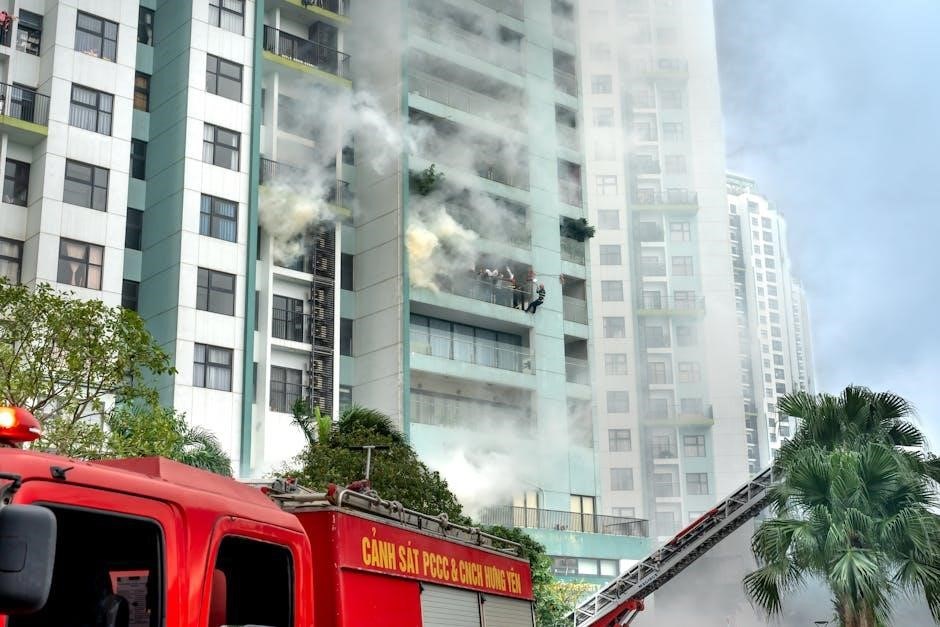
A short, repetitive “chirp” typically indicates a low battery condition, prompting replacement. Intermittent chirps can also signal a malfunction within the alarm itself, requiring further investigation. Some models, like the i12080, may feature an exit light alongside the alarm sound for enhanced visibility during emergencies.
It’s vital to differentiate between these sounds. Familiarize yourself and your family with each signal during initial setup and regular testing. A clear understanding of these alerts ensures a rapid and effective response to potential hazards, maximizing safety within your home.
False Alarm Prevention
Firex smoke alarms are designed for reliable performance, but false alarms can occur. Common causes include cooking fumes, steam from showers, and dust accumulation. To minimize these, strategically position alarms away from kitchens and bathrooms – at least 10 feet – to avoid triggering from normal household activities.
Regular cleaning is crucial. Gently vacuum the alarm’s exterior monthly to remove dust and debris that can interfere with its sensors. Avoid using cleaning solutions, as they may damage the internal components. Ensure proper ventilation during cooking and when using steam-generating appliances.
Consider the sensitivity of your alarm. Optical alarms (like the KF20) are less prone to false alarms from cooking, while ionization alarms are more responsive to fast-flaming fires. Understanding these differences helps optimize placement and reduce unnecessary activations, maintaining peace of mind.
Troubleshooting Common Issues
If your Firex smoke alarm chirps intermittently, it usually indicates a low battery. Replace the battery immediately, even in hardwired models with battery backup. For hardwired alarms that don’t respond to testing, check the circuit breaker and ensure the wiring is secure.
If the alarm sounds despite no visible smoke or fire, attempt to silence it using the test/reset button. If the issue persists, ventilate the area and clean the alarm thoroughly. Persistent false alarms may indicate a faulty unit requiring replacement.
For interconnected alarms, a single alarm triggering should activate all connected units. If this doesn’t occur, verify the interconnection wiring and battery backup in each alarm. If problems continue, consult a qualified electrician. Remember to always prioritize safety and replace any malfunctioning alarm promptly.
Firex i12080 Hardwire Smoke Alarm Specifics
The Firex i12080 is a hardwired, interconnectable smoke alarm featuring battery backup and an integrated exit light. Measuring 5.6 inches in diameter and 1.55 inches deep, it weighs approximately 0.5 lbs (16.2 ounces). Installation requires secure mounting and proper wiring to a 120V AC power source.
This model is designed for early warning in fire events, utilizing a photoelectric sensor. The exit light enhances visibility during emergencies, aiding safe evacuation. Interconnectivity allows multiple i12080 alarms to activate simultaneously upon detecting smoke.

When replacing existing alarms, consider utilizing the KA-F2 adapter to simplify wiring. Regular testing is crucial to ensure functionality. The i12080 provides reliable protection for homes, combining advanced features with ease of installation and maintenance. Always follow local building codes during installation.
Firex KF20 Optical Smoke Alarm Details
The Firex KF20 is an optical smoke alarm designed for reliable fire detection. Scoring a 5.00 rating based on 3 reviews, it’s a trusted choice for home safety. This model utilizes an optical sensor, making it particularly effective at detecting slow-smoldering fires. It’s available for purchase and currently shippable, offering a convenient solution for protecting your property.
The KF20 operates on batteries, providing flexibility in placement without requiring existing wiring; This makes it ideal for various locations within the home where hardwired options aren’t feasible. Regular battery checks are essential to maintain optimal performance.
Priced at £19.30 excluding VAT (£23.16 including VAT), the KF20 offers excellent value. It’s a straightforward and effective smoke alarm, contributing to a safer living environment. Ensure proper installation and testing to maximize its protective capabilities.
Smart Alarm Features (If Applicable)
While details on specific “smart” features for all Firex models aren’t extensively detailed in the provided information, the latest Firex alarms represent a significant leap in fire and CO safety technology. Newer models are designed to deliver fast alerts, giving families crucial extra time to evacuate safely during an emergency.
These advanced alarms often integrate with smart home systems, allowing for remote monitoring and control via smartphone applications. Notifications can be sent directly to your device, even when you’re away from home, providing peace of mind; Some models feature interconnected capabilities, ensuring that all alarms sound simultaneously upon detection.
The Ring Smart Smoke Alarm, a related product, exemplifies these features, offering hardwired options with battery backup. These smart features enhance responsiveness and provide a more comprehensive safety net, leveraging modern technology for improved home protection.


0 Comments